Affordable rubbish removal Charlotte Street Fitzrovia
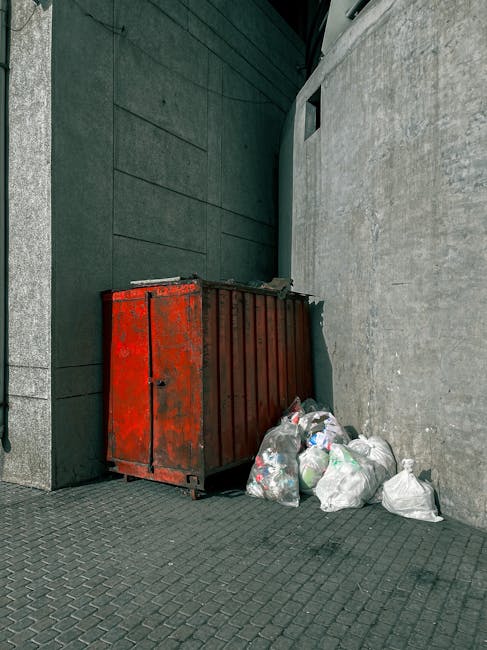
If you live, work, or manage a property near Charlotte Street in Fitzrovia, rubbish has a habit of piling up at exactly the wrong time. A room clearance before a move, builder's rubble after a refurb, an old sofa blocking the hallway, or office waste that suddenly needs shifting before Monday. Affordable rubbish removal Charlotte Street Fitzrovia is not just about paying less. It is about getting the job done quickly, safely, and without the whole thing turning into a hassle.
This guide explains how affordable rubbish removal works in practice, what affects the price, which service types suit different situations, and how to avoid the little mistakes that quietly add cost. You will also find a comparison table, a realistic example, a checklist, and a few plain-English notes on compliance and best practice. Truth be told, rubbish removal sounds simple until you are standing in a narrow Fitzrovia stairwell with a wardrobe that looked much smaller yesterday.
Why Affordable rubbish removal Charlotte Street Fitzrovia Matters
Charlotte Street sits in one of those parts of London where space is precious, access can be awkward, and time disappears quickly. That changes the whole equation. When rubbish starts taking over a flat, office, basement, or shopback area, it is not only untidy. It can create trip hazards, block access, make cleaning harder, and leave a poor impression if you are dealing with customers, tenants, or visitors.
Affordable rubbish removal matters because the cheapest-looking option is rarely the cheapest once you add in labour, parking, multiple trips, skipped collections, or disposal mistakes. A sensible service should balance price with speed, lawful disposal, and enough capacity to clear the waste in one go where possible. That is especially useful in Fitzrovia, where narrow streets, loading pressure, and limited storage space can turn a small clearance into a logistical headache.
There is another reason it matters: confidence. If you are clearing inherited items, moving out of a flat, or refreshing an office, you probably want a straightforward service that does not leave you chasing after people. A clear quote, a reasonable arrival window, and a team that knows how to work tidily in a busy central London setting can save you more stress than you might expect. And yes, stress counts as a cost too.
For many households and businesses, the best value comes from a service that covers more than a single load. For example, a mixed removal job might include old furniture, broken shelving, cardboard, and a bit of builder's waste. In that case, an all-in waste removal approach can often be more practical than trying to split the job across several providers. If your clearance involves multiple item types, you may also find it useful to look at general waste removal options alongside more specific services.
Table of Contents
- Why Affordable rubbish removal Charlotte Street Fitzrovia Matters
- How Affordable rubbish removal Charlotte Street Fitzrovia Works
- Key Benefits and Practical Advantages
- Who This Is For and When It Makes Sense
- Step-by-Step Guidance
- Expert Tips for Better Results
- Common Mistakes to Avoid
- Tools, Resources and Recommendations
- Law, Compliance, Standards, or Best Practice
- Options, Methods, and Comparison Table
- Case Study or Real-World Example
- Practical Checklist
- Conclusion
- Frequently Asked Questions
How Affordable rubbish removal Charlotte Street Fitzrovia Works
In simple terms, the process usually starts with describing what you need removed, how much there is, and whether access is easy or awkward. A decent quote should reflect the volume, weight, labour involved, and disposal route. In central London, access details matter a lot. A ground-floor pickup with a close loading point is very different from carrying items down four flights of stairs, through a tight corridor, and out to a street with limited stopping space.
Most affordable rubbish removal jobs follow a similar pattern:
- You explain the waste type and rough amount.
- The provider gives an estimate or quote based on volume, item type, and access.
- A collection time is arranged.
- The team arrives, loads the waste, and checks anything unusual before proceeding.
- The waste is transported for sorting, recycling, reuse, or disposal.
That sounds straightforward, and often it is. The tricky bit is accuracy. A single photo can help, but it does not always tell the full story. A battered wardrobe may be light but awkward. A pile of building rubble may look small but weigh a surprising amount. A box room may contain more than you can easily see at first glance. You know how it goes.
For homes and flats, the service might overlap with flat clearance support, home clearance, or even house clearance if the job is more substantial. For businesses, the same principles apply, but timing and discretion often matter more. That is where office clearance can be a smarter fit for desks, chairs, archive boxes, and old fixtures.
One useful tip: ask whether the quote includes labour, loading, transport, and disposal. People sometimes assume all of that is covered, then get caught out by extra charges. A clear quote removes most of that tension.
Key Benefits and Practical Advantages
Affordable rubbish removal is about value, not just price. If the service is done properly, you get a cleaner space, less disruption, and far less physical effort than trying to shift everything yourself. That matters more than people think, especially if the waste is bulky or the access is awkward.
- Time saved: A team can usually clear more in one visit than you could manage with a hired van and several separate trips.
- Less lifting and strain: Heavy furniture, old appliances, and mixed waste can be genuinely awkward to handle safely.
- Better sorting: A professional clearance approach should separate reusable, recyclable, and residual waste where possible.
- Cleaner presentation: Useful if you are preparing a property for sale, rent, or handover.
- Less disruption: Helpful in busy streets and shared buildings, where every extra trip becomes noticeable.
There is also a cost-control advantage. When waste is removed efficiently, you reduce the chance of damage to walls, flooring, stair rails, or communal areas. A chipped banister or scuffed hallway can be more expensive than the clearance itself. It is one of those annoying little realities nobody loves, but everyone should plan for.
For larger mixed loads, coordinated waste removal can often make more sense than booking separate mini-jobs. If the items are mostly old household goods, you may prefer furniture disposal or furniture clearance. If the job is more debris-heavy, builders waste clearance may be the better route.
Who This Is For and When It Makes Sense
This service suits a wide range of people, and not just those facing a dramatic clear-out. In fact, many jobs are ordinary rather than dramatic. A few bags of old office paperwork, a tired sofa, a broken chest of drawers, leftover packaging from a refurb, or garden waste after a small tidy-up. The everyday jobs add up faster than you would think.
It makes sense if you are:
- moving home and need bulky items removed quickly
- clearing a flat, maisonette, basement, or top-floor room
- refreshing an office or workspace
- getting rid of old furniture before new items arrive
- dealing with mixed rubbish after a DIY or decorating project
- sorting out a garage, loft, or storage area that has become, frankly, a bit of a black hole
It is also a good fit when you do not want to rent a skip, cannot keep one outside for long, or simply do not have the space. For some streets and properties near Charlotte Street, that convenience is a real selling point. There may not be a sensible place for a skip, and in those cases a man-and-van style clearance can be the more practical route.
If your waste is mainly household clutter, garage clearance, loft clearance, or furniture clearance might be the closest match. If it is commercial, then business waste removal is worth considering.
Step-by-Step Guidance
If you want to keep the process smooth and affordable, a little preparation helps. Nothing extreme. Just enough to make the collection efficient and avoid surprises.
- Sort the waste into broad groups. Separate furniture, bagged rubbish, cardboard, and any heavy debris if possible.
- Check access. Note stairs, tight turns, parking restrictions, shared entrances, or anything else that may affect loading.
- Take a few clear photos. Wide shots and close-ups together usually give a better estimate than one rushed image.
- List anything unusual. Mattresses, white goods, plasterboard, paint, chemicals, or sharp waste may need special handling.
- Request a clear quote. Ask what is included, how the pricing works, and whether loading time affects the final amount.
- Prepare the items. If safe to do so, move small loose waste into one place and clear a path.
- Confirm timing. In busy areas, even a short arrival window can make a difference to your day.
A quick story, because this happens a lot: a client once thought they had "just a few bits" in a spare room. You know the kind of room. By the time the bags, broken shelving, old chair, and three oversized boxes were gathered together, it was a proper mini-clearance. Nothing unusual, just life being life. The quote stayed fair because the waste type was described accurately from the start. That is usually the difference between an easy job and a slightly chaotic one.
If you are unsure where your items fit, it is sensible to check the service descriptions first, then choose the closest match rather than forcing everything into one category. That often gives a more accurate price and a smoother collection. The home page at Garden Clearance Fitzrovia can also help you navigate the available options.
Expert Tips for Better Results
Here are the habits that usually save time and money, without turning the job into a project.
- Be specific about volume. "A few bags" and "half a van load" are not the same thing.
- Say if items are heavy or awkward. A sofa bed, for example, is rarely a simple lift.
- Clear access before collection day. Even five minutes of prep can speed things up.
- Separate reusable items where possible. It may reduce disposal costs and help with sorting.
- Ask about recycling practices. A responsible provider should be able to explain how mixed waste is handled.
- Book before clutter becomes urgent. Last-minute jobs often feel more expensive because your options shrink.
One slightly old-school but effective tip: make a written list of what is going. It sounds almost too simple, but it keeps everyone on the same page. And if you are juggling a move, building works, or an office handover, that little list becomes oddly comforting.
For customers who care about responsible disposal, it is worth reviewing recycling and sustainability. Not every item can be reused or recycled, of course, but a good service should still aim to divert as much as practical away from landfill.
Common Mistakes to Avoid
Most clearance problems are preventable. Not glamorous, but true. A few common mistakes tend to cause delays, friction, or extra charges.
- Underestimating the volume: Waste looks smaller when it is stacked neatly, then seems to multiply the moment it is moved.
- Ignoring access details: Tight staircases, parking issues, and loading restrictions matter a lot in central London.
- Mixing hazardous and general waste: Paint, chemicals, batteries, and certain electrical items need care and may not go in standard loads.
- Leaving everything until the last minute: That is when rushed decisions creep in.
- Choosing on price alone: The lowest figure is not always the best value if it excludes labour or disposal.
There is also a subtle mistake people make with furniture: assuming every item can be treated the same way. A small wooden chair is not the same as a large fixed wardrobe or a damaged sofa, and disposal routes can differ. If you are dealing mainly with old pieces, furniture disposal may be more suitable than a broader clearance.
One more, and this catches people out: forgetting to mention extra bags or "a couple of bits in the shed." Those extras have a funny way of becoming the main event.
Tools, Resources and Recommendations
You do not need fancy equipment to prepare for rubbish removal. A few simple tools make the whole process easier and safer.
- strong bin bags or rubble sacks for loose waste
- packaging tape to secure boxes
- gloves for sorting and moving small items
- a torch for lofts, cupboards, and dim storage spaces
- basic measuring tape if you are checking whether furniture will fit through doors and turns
- labels or sticky notes for keeping items grouped by type
Practical recommendation? If you are planning a bigger clearance, photograph the space before you start. Then take one more set of pictures after you have grouped the waste. It makes estimating easier and gives you a sensible record of what needs to leave. Handy if there is a landlord, managing agent, or office manager involved too.
You may also want to compare relevant service pages before booking. For example, a room full of storage overflow might fit loft clearance or home clearance, while discarded stock or office fixtures may sit better under office clearance.
Law, Compliance, Standards, or Best Practice
With rubbish removal, a careful and lawful approach matters. In the UK, waste must be handled by people and businesses that act responsibly, and waste should be taken to appropriate facilities for sorting or disposal. You do not need to become a compliance expert to book a clearance, but you should expect a provider to understand proper handling and to work in line with normal industry practice.
Best practice usually includes:
- clear pricing and a transparent description of what is included
- safe lifting and loading methods
- appropriate handling of sharp, heavy, or awkward items
- separation of reusable and recyclable materials where practical
- careful treatment of shared areas, entrances, and access routes
- respectful conduct in residential and commercial properties
If you are responsible for a business or rented property, it is wise to keep records of what was removed and when. That is just good housekeeping, really. It helps with handovers, tenant changes, facilities management, and general accountability.
For extra reassurance, check service information such as health and safety policy, insurance and safety, and terms and conditions. Those pages help you understand the provider's expectations around risk, responsibility, and the service agreement itself.
Options, Methods, and Comparison Table
There is more than one way to get rubbish removed. The right choice depends on volume, access, urgency, and the kind of waste involved. Here is a simple comparison to help you think it through.
| Method | Best for | Pros | Things to watch |
|---|---|---|---|
| Man-and-van rubbish removal | Mixed household waste, furniture, small-to-medium clearances | Flexible, quick, often efficient in tight London streets | Needs accurate volume estimates |
| Skip hire | Longer DIY jobs or ongoing building work | Useful for repeated loading over time | Needs space, permits may be needed, and access can be awkward |
| Specialist clearance | Furniture, offices, lofts, garages, builders waste | Tailored to the waste type | May be overkill for a tiny one-off load |
| DIY disposal trips | Very small amounts and people with suitable transport | Can feel cheaper at first | Time-consuming, physically demanding, and easy to underestimate |
For Charlotte Street and the surrounding Fitzrovia area, the balance often favours a direct collection service. The streets are busy, space is tight, and nobody wants to spend half the day organising parking and lifting heavy bits in and out of a car. To be fair, that is not exactly anyone's dream Saturday.
If you are comparing services, it can help to match the job to the closest specialist page. For example, old desks and office chairs are better aligned with business waste removal or office clearance, while post-refurb debris may be a better fit for builders waste clearance.
Case Study or Real-World Example
Here is a realistic example based on a common Fitzrovia scenario. A tenant was moving out of a compact flat just off Charlotte Street. The main problem was not a huge amount of rubbish, but a mix of awkward items: a small sofa, a broken coffee table, several bags of unwanted belongings, packaging from a recent furniture delivery, and a few pieces of flat-pack furniture that had never quite made it to the right room.
The property had a narrow staircase, limited space by the front door, and very little time before the handover inspection. The sensible move was to group everything in advance, take photos, and book a clear collection rather than trying to piece together several tiny removals. Because the waste was described accurately, the service could be priced fairly and completed in one visit.
What made it work well?
- The items were sorted before the collection.
- Access details were shared upfront.
- Furniture and bagged waste were grouped separately.
- The booking was made before the deadline became urgent.
The end result was simple: an empty flat, no panic, and one less thing to worry about on moving day. It was not dramatic. It just worked. And that is often the best outcome with rubbish removal.
Practical Checklist
Use this quick checklist before you book. It keeps things tidy and helps avoid last-minute surprises.
- Identify the main waste type: furniture, mixed rubbish, builders waste, office items, or storage clutter
- Estimate the amount as honestly as you can
- Check stairs, lifts, narrow halls, and parking access
- Separate anything hazardous or specialist
- Take photos from a few angles
- Ask what the quote includes
- Confirm timing and arrival expectations
- Prepare a clear path to the items if possible
- Keep a note of what was removed for your records
Expert summary: The most affordable rubbish removal is rarely the lowest headline price. It is the service that matches the waste type, gets the access right, and removes everything cleanly in one organised visit.
Get a free quote today and see how much you can save.
Conclusion
Affordable rubbish removal Charlotte Street Fitzrovia is really about smart decision-making. If you match the service to the waste, describe the job clearly, and pay attention to access, you are far more likely to get a fair price and a smooth collection. That matters in an area where space is limited and time is always in short supply.
The best outcome is not just an empty room. It is an easy process, fewer headaches, and the quiet relief of knowing the waste has been dealt with properly. Small thing, maybe. But if you have ever lived through a cluttered move, a stubborn office clear-out, or a DIY project that got slightly out of hand, you already know how much that relief is worth.
When you are ready, choose the most relevant service, review the useful policy pages, and book a collection that fits your space and schedule. Simple, practical, done.
Frequently Asked Questions
What counts as affordable rubbish removal in Charlotte Street Fitzrovia?
It usually means a service that gives you fair pricing, clear inclusions, and efficient collection without hidden extras. The best value comes from matching the job to the right type of clearance rather than choosing purely on headline price.
Can I get rubbish removed from a flat with difficult stairs?
Yes, in many cases. Access details matter though, because stairs, turns, and narrow entrances can affect labour time and pricing. Sharing this upfront helps keep the quote accurate.
Is rubbish removal better than skip hire for Fitzrovia properties?
Often, yes, especially where space is tight or a skip would be awkward to place. A collection service can be more convenient in central London because it removes the need to manage a skip on the street for several days.
What type of waste can usually be collected?
Common loads include general household rubbish, furniture, office items, loft clutter, garage contents, and some builders waste. Items that need special handling should always be mentioned first.
How do I make sure the quote is accurate?
Provide photos, describe the waste honestly, and explain access issues. The more specific you are, the less likely you are to face surprises on the day.
Can furniture be included in rubbish removal?
Yes. Furniture is often a big part of clearance jobs, and sometimes a dedicated furniture clearance or furniture disposal service is the better fit if that is most of what needs removing.
What if I only have a small amount of waste?
Small jobs are common. The provider may still have a minimum charge or call-out structure, so it is worth asking how small collections are priced before you book.
Do I need to sort everything before collection?
Not always, but a basic sort helps. Grouping items by type can make the loading faster and may help with recycling or reuse.
Is there anything I should not put in a normal rubbish removal load?
Potentially hazardous items, certain chemicals, and some specialist waste types should be discussed separately. If you are unsure, ask before collection rather than guessing.
How fast can rubbish removal usually be arranged?
It depends on availability and the size of the job. Smaller clearances can often be arranged more quickly than large or complex ones, but timing is always easier when you book ahead.
Can this help with office clear-outs as well as homes?
Absolutely. Offices often need old desks, chairs, filing, packaging, and mixed waste removed with minimal disruption, which is why office-related clearance can be a very practical option.
What should I check before paying for the service?
Check what the quote includes, how access affects pricing, whether the waste type has been described correctly, and whether the service terms are clear. A little caution up front saves trouble later.
Where can I find more about payment, security, and company information?
The most useful pages are usually the ones covering payment and security, about the company, and the main contact page if you need to ask a practical question before booking.
And that is usually enough to make the whole thing feel manageable. A bit of planning, a fair quote, and the right team - not glamorous, but very effective.