Garden Clearance in Fitzrovia
Garden clearance in Fitzrovia should be handled with care, especially where courtyards, shared access routes and compact outdoor spaces leave little room for waste to build up. We provide a practical clearance service for overgrown borders, shed contents, broken garden furniture, bags of soil, branches and mixed outdoor waste, helping you reclaim a tidier space without unnecessary disruption. The work is arranged around what is actually present on site, so the clearance can be shaped to suit a small patio, a back garden or a communal area.
Our service is designed for customers who want straightforward help with unwanted green waste and outdoor clutter. We can remove material from domestic gardens, rental properties, managed buildings and commercial outdoor areas, then sort the load for disposal or recycling where appropriate. Clear access, sensible handling and a clean finish matter just as much as the lifting itself, particularly when items need to be carried through hallways or down narrow paths. If you are comparing options, start by deciding what needs to go and what should stay.
For a simple next step, have a look at the pricing and quotes page if you want to understand how estimates are prepared, then ask for a quotation when you are ready. A brief description of the garden condition is usually enough to begin the conversation, and photographs can help when the clearance involves mixed waste or restricted access. If the job includes bulky items, uneven piles or a larger volume of cuttings, saying so early helps make the enquiry more accurate.
What our garden clearance covers

Garden clearance can mean very different things from one property to the next, which is why the service is best approached as a tailored removal rather than a fixed package. We can clear seasonal growth, prunings, hedge trimmings, dead plants, bagged leaves, old pots and general outdoor clutter that no longer has a place in the garden. In many cases, the aim is not only removal but also restoring enough order for planting, maintenance or future landscaping work to begin properly.
When the material is mixed, the process may involve separating recyclable green waste from items that need a different disposal route. That can include timber, plastic planters, rusted metal frames, broken fencing sections or weather-worn furniture. Using a careful sort at the point of clearance helps avoid treating everything the same way, and it supports a more responsible outcome. Not every garden clearance is purely green waste, so the right approach depends on what has been left behind.
If you are preparing to enquire, the most useful details are often the easiest ones to provide: what should be removed, what access is available and whether there are any especially heavy or awkward items. Keep it simple and specific. For larger outdoor clearances, a brief list of the main items can save time later and help the work be planned more accurately. Contact us when you are ready to request a quotation.
Handling mixed outdoor waste with care
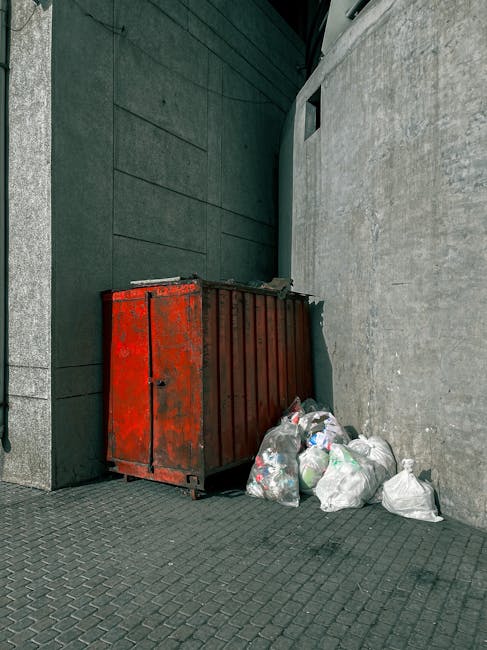
Many gardens in and around Fitzrovia contain more than soil and cuttings. Stored household items, plant containers, broken tools and dismantled structures often end up in the same space, and that makes the clearance more involved. We deal with mixed outdoor waste by identifying what can be lifted safely, what may need to be broken down first and what should be kept separate for disposal. The result is a more orderly process and a better final clear-out.
Some jobs also involve items that have become damp, fragile or partly collapsed, which changes how they should be handled. Old compost bins, damaged storage boxes, loose trellis panels and rotting timber can all require more careful loading than expected. Where appropriate, we can also remove attached debris from around larger objects so that the outdoor area is left more workable. In practical terms, that means less obstruction for future maintenance and easier access for whatever comes next.
For customers who want a quote, it helps to mention any special access features such as rear entry only, steps, shared passageways or limited parking nearby. Two simple notes can make a real difference to how the work is planned, especially where items are bulky or the outdoor area is enclosed. If you prefer to talk through the clearance before booking anything in, that is perfectly fine as well; the key is to describe the garden honestly so the estimate reflects the actual job.
Services for front gardens, courtyards and shared spaces
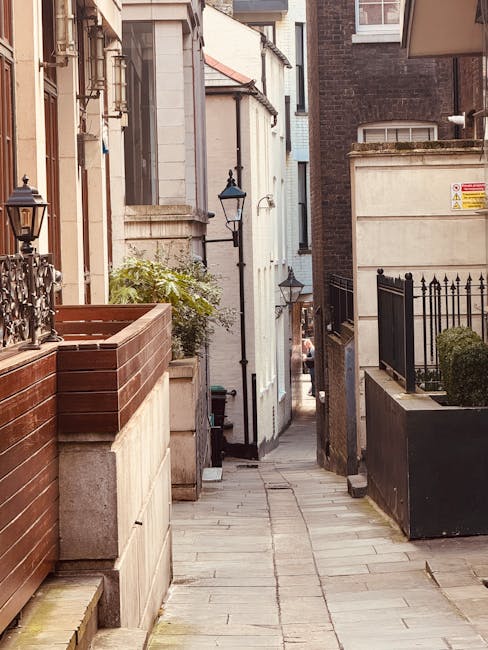
Not every clearance takes place in a large private garden. In Fitzrovia, front yards, small courtyards and shared outdoor spaces often need a neat, discreet approach because access points are tight and neighbours may be nearby. We work with those conditions in mind, clearing waste while keeping disruption to a sensible level. That can include collecting loose debris, lifting bags of garden waste and removing awkward items from spaces that have been used for storage as well as planting.
Where a property is managed by an agent, landlord or building representative, it is often useful to agree in advance exactly which items are to be removed and whether anything should be left behind. We can work from a clear list or from a site description that notes the main concerns. Accuracy matters more than guesswork, because outdoor spaces are often used in different ways, and what looks like clutter may include items that should be retained for ongoing maintenance. A brief, focused specification keeps the job straightforward.
In some cases the right service is a single clear-out rather than repeated visits, especially where the garden has been left untidy after a tenancy change or seasonal maintenance delay. If that applies, say so when you request a quotation so the estimate can reflect the amount and type of material involved. You do not need to over-explain; a concise message with the main items and access details is usually enough to begin.
Garden furniture, sheds and bulky outdoor items

Bulky outdoor items often change the shape of a clearance job. Garden furniture, broken benches, storage units, plant stands, dismantled sheds and empty shelving can take up far more room than loose green waste, so they need separate consideration. We can remove many of these items as part of a garden clearance, provided they are safe to lift and accessible. Where something is partly dismantled, the work may be easier to manage in sections rather than as one piece.
It is common for outdoor clearances to uncover items that have been unused for years. Some may be weather damaged but still heavy; others may be lightweight yet awkward because of size. The important point is not whether an item looks minor, but whether it can be moved safely and loaded without causing damage to surrounding surfaces. In that sense, a good clearance service is as much about judgement as it is about removal, particularly in tight urban spaces.
If you need a quotation, a few details about the bulky items will make the process more reliable: approximate size, whether they are already dismantled and whether they are in an upstairs storage area, basement or rear garden. A straightforward message is enough to start. You can read more about garden clearance if you want to compare it with other removal services on the site before you decide what best fits your situation.
Why careful sorting matters

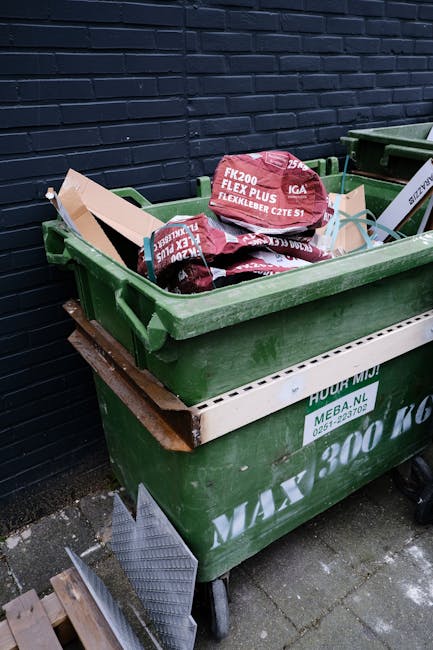
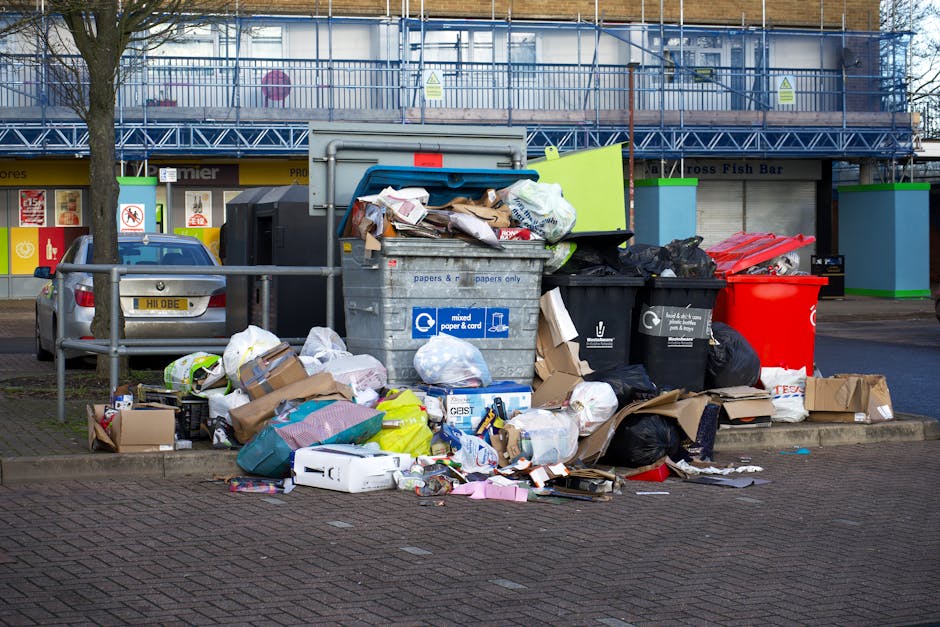
Sorting is one of the most important parts of any garden clearance because outdoor waste is often a mix of materials. Green waste, treated timber, metal fittings, plastic containers and general rubbish should not always be handled in the same way. A thoughtful approach helps direct each load to the correct disposal route and keeps the process as responsible as possible. It also helps avoid unnecessary handling, which matters when a site contains several different types of material.
Customers sometimes ask whether everything can simply be removed in one go, and the answer depends on the mix of items present. Some waste streams can be collected together, while others need separate treatment. That is why an accurate description matters. If there is a pile of branches beside old decking, or bags of soil beside broken furniture, the best quotation will usually reflect those differences. The clearer the picture, the easier it is to arrange the right level of clearance.
When you are ready to move forward, request a quotation in plain language and include the main items, the location of the waste and any access issues. There is no need to send a long explanation. If you prefer, you can simply list the biggest pieces and mention whether the garden is at the front, rear or within a shared area. If the job is a straightforward one, that may be all that is needed for us to prepare the next step.
About Fitzrovia
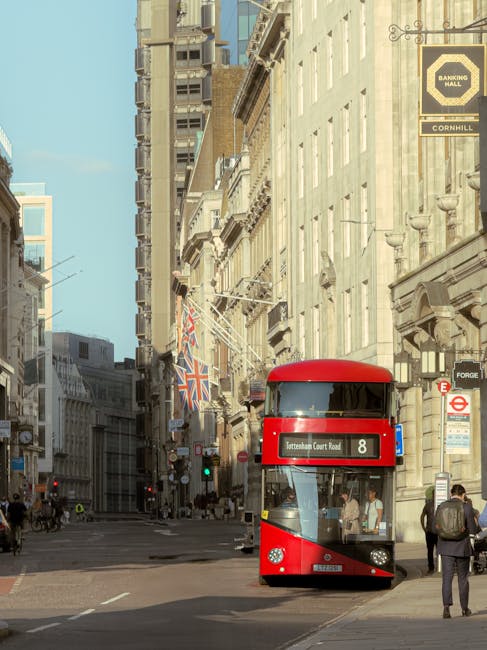
Fitzrovia is a central London district known for its mixture of Georgian terraces, later residential blocks and commercial streets that sit between the West End and the eastern edge of the West End core. Historically, the area developed from fields and country houses into a dense urban quarter during the eighteenth and nineteenth centuries, and by the early twentieth century it had become associated with artists, writers and publishing. Today it remains a layered place, where quieter side streets sit close to heavily used routes such as Tottenham Court Road, Great Portland Street and Oxford Street. Its architectural character is varied rather than uniform, with mansion blocks, converted townhouses and office buildings standing alongside smaller residential streets and mews. The district also includes well-known public spaces and institutions such as Fitzroy Square, one of London’s notable Georgian squares, and the area around Charlotte Street, which has long been associated with cafés, restaurants and mixed daytime activity. Although it is compact, Fitzrovia is close to several major cultural and educational landmarks, including University College London to the east and the British Museum not far to the south-east. The neighbourhood’s identity has been shaped by both its residential use and its creative history, giving it a distinctive position within central London. In recent years it has continued to balance housing, workplaces and hospitality, with pedestrian movement, small-scale retail and local services all part of daily life. The result is an area that feels busy yet still retains pockets of quieter character, especially away from the main roads and within the residential streets that define much of its built form.
How we plan the clearance
Garden clearance is usually easier when the work is broken into clear parts. First comes the assessment of what needs removing; then the practical question of access, lifting and disposal route. In a compact urban setting, this planning makes a real difference, because the route from the garden to the vehicle may be more important than the size of the pile itself. We aim to keep the process direct, with the work organised around the space rather than forcing the space to fit the work.
If you are arranging a clearance after a tenancy change, seasonal tidy-up or outdoor storage build-up, it often helps to separate the main categories before you enquire. For example, green cuttings, damaged furniture and miscellaneous rubbish may all need to be mentioned separately even if they are in the same garden. The clearer the description, the easier it is to shape the quotation. You do not need elaborate detail, but a realistic summary is more helpful than a general phrase like everything in the garden.
We also recognise that some outdoor areas are used daily and cannot be left untidy during the process. Where that applies, the work can be planned to keep pathways clear and to avoid leaving loose material behind. A sensible clearance is not only about what leaves the site; it is also about leaving the remaining area usable. If you would like to discuss the scope first, keep your message brief and focused on the main items.
What affects the quotation
Several practical factors usually influence the quotation for a garden clearance. The volume of material is one of the main points, but access, item type and the ease of carrying waste out of the property are just as important. A small pile in a rear yard can take longer than expected if it must be moved through narrow passages, while a larger pile with straightforward access may be more direct. The best estimates reflect the actual conditions rather than a generic category.
It can also help to mention whether the clearance includes items that need dismantling, lifting over low walls or separating from other materials on site. Clear details reduce the chance of misunderstanding later and make it easier to prepare a quotation that matches the job. If you are unsure how to describe the waste, a short list is enough: cuttings, branches, pots, broken furniture, soil, timber or mixed outdoor rubbish. That gives a practical starting point without creating unnecessary administration.
For the quickest response, send a concise note with the location of the garden, the main items and any access limitations. If you have photographs ready, they can be useful, but they are not a substitute for a clear written description. When the clearance involves several categories of material, the right estimate usually comes from combining both. If you are comparing options, the contact page is the simplest place to request a quotation when you are ready.
Recycling and responsible disposal
Responsible disposal is an important part of modern garden clearance. Not everything taken from a garden should go to the same destination, and a sensible sort helps reduce waste where possible. Green waste may be suitable for different processing from metal, timber or plastics, so separating those streams can be beneficial. This approach is especially useful when a garden contains a blend of natural cuttings and long-standing stored items.
Outdoor materials can also deteriorate in ways that make them harder to handle, which is another reason not to leave a clearance until it becomes too large or too mixed. Damp cardboard, degraded wood and broken containers may be difficult to stack neatly, and a delayed job can become less efficient over time. A planned clearance keeps the load more manageable and gives the remaining space a cleaner base for future use. That is one reason customers often ask for help when a garden has become difficult to maintain.
When arranging work with us, you can keep the conversation practical: say what is there, what should stay and whether the waste is mainly green material or a mix of outdoor clutter. If any items are unusually heavy or awkward, mention that too. The aim is not to make the enquiry lengthy, but to make it accurate enough for a sensible quotation and a smooth removal process.
Making space for the next stage
A cleared garden gives you more room to prune, plant, repair or simply enjoy the outdoor area without visual clutter. For some properties, that means preparing for new planting or lawn work; for others, it means removing long-unused items before maintenance can begin. The value of clearance lies in creating a workable starting point, not just in taking things away. That is why the service is often most useful when it is approached as part of a wider reset.
There is no need to wait until a garden is heavily overgrown before acting. A modest build-up of bags, branches or broken items can still be enough to justify a removal, particularly if access is getting narrower or the space is shared. If the waste is beginning to interfere with use of the area, a targeted clearance can restore order quickly. The most helpful enquiry is usually the one that states the practical problem plainly.
To begin, send a simple summary of what needs clearing and where it is located. If there are steps, shared corridors or narrow side access, mention those points too. A brief, honest description is the best route to a useful quotation and a more efficient booking discussion. When you are ready, ask for a quotation and we will take it from there.