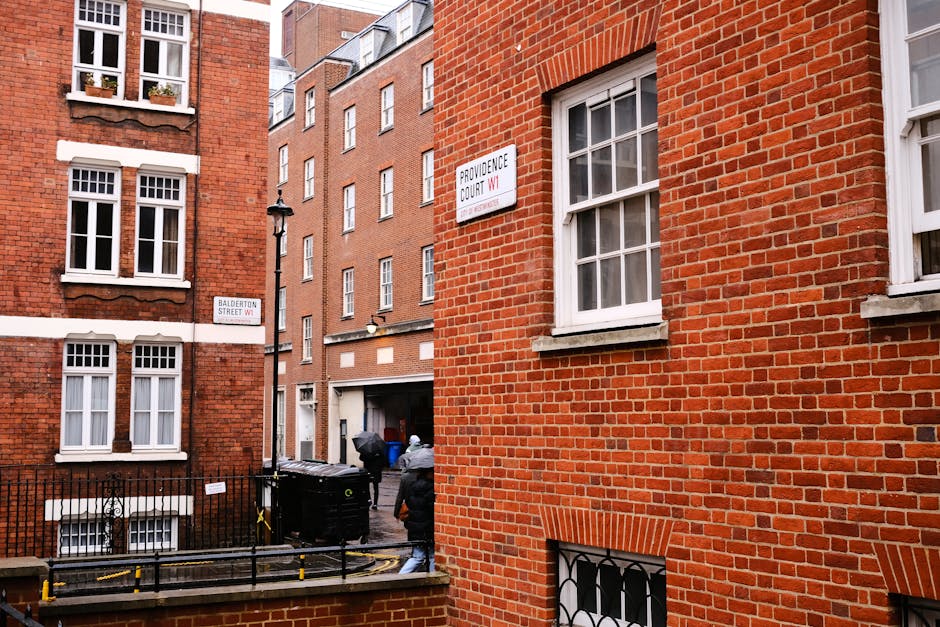
Narrow Mews Access Common Problems for Fitzrovia Rubbish Removal
Rubbish removal in Fitzrovia can look simple on paper, until you meet a narrow mews, a tight turning circle, or a bin store squeezed between parked cars and basement steps. That is where the real work begins. Narrow mews access common problems for Fitzrovia rubbish removal usually come down to a mix of restricted width, awkward loading points, shared access, and the plain old reality of central London streets. If you have ever tried to move a bulky sofa or a few sacks of builders' waste through a lane that barely fits a van, you will know the feeling.
This guide breaks down the common problems, how professional rubbish removal teams work around them, what you can do to prepare, and where the hidden risks sit. It is written for homeowners, landlords, tenants, offices, and anyone trying to clear waste safely without turning a small access issue into a larger headache.
Practical summary: the best rubbish removals in narrow mews are rarely about brute force. They rely on good timing, clear access checks, careful lifting, sensible vehicle choice, and a plan for what happens if the waste cannot be collected from the front door in one clean run.
Why Narrow Mews Access Common Problems for Fitzrovia Rubbish Removal Matters
Fitzrovia has a lot of character, and that character often comes with narrow mews, shared courtyards, awkward side entrances, and older buildings that were never designed for modern waste removal. Lovely to live in, not always lovely to empty. The issue matters because access determines everything else: the vehicle size, the number of crew members, the time needed on site, the amount of manual handling, and the chance of damaging walls, gates, paving, or neighbouring property.
People often assume rubbish removal is just a matter of arriving with a truck and loading up. In a narrow mews, that is only half the story. The team may need to park further away, carry waste by hand, use smaller vehicles, or split a job into stages. That affects cost, timing, and the smoothness of the whole experience. It also affects safety. A heavy wardrobe dragged through a tight passage can easily scrape plaster or catch a door frame, and a stack of broken materials in a cramped lane can create a trip hazard in seconds.
For commercial clients, the stakes can be even higher. Offices, flat blocks, shops, and refurbishment projects in central London often need quick clearances with minimal disruption. If access is not planned properly, waste can sit longer than intended, which means more clutter, more complaints, and sometimes more cost. Nobody wants that. Especially not on a Monday morning when the building manager is already juggling three other things.
There is also a customer-expectation angle. A good clearance service should be transparent about what is possible, what is not, and what might change on the day. That honesty builds trust. It also saves time. If you are already comparing providers, pages like pricing and quotes and about us can help you judge how a company approaches planning and communication, not just the collection itself.
How Narrow Mews Access Common Problems for Fitzrovia Rubbish Removal Works
At a practical level, rubbish removal in a narrow mews usually starts with access assessment. The team needs to understand how waste will leave the property, where a vehicle can stop, whether there is space to turn, and whether items can safely pass through hallways, shared entrances, or side alleys. If the route is tight, everything gets more deliberate.
In many cases, the removal process is adapted in one of three ways:
- Front-access collection where a van or smaller vehicle can reach the property directly.
- Park-and-carry collection where the crew parks at a distance and carries items to the vehicle in multiple trips.
- Split-load collection where waste is staged, sorted, and removed in parts because the access point cannot support a single large load.
That is the basic structure, but the devil sits in the details. A narrow mews may have low archways, shared gates, resident parking, fragile paving, or restricted delivery windows. Even a modest pile of waste can become awkward if there is a bicycle rack, a locked bin enclosure, or an uneven surface just where the team wants to manoeuvre. You notice these things most when you are carrying something heavier than expected. The bag slips, the corridor narrows, and suddenly the job feels three times as big.
Professional teams usually try to reduce friction before arriving. They may ask for photographs, access notes, or simple measurements. That is not overkill; it is good practice. A few clear images of the entrance, passage width, stairs, and loading point often tell a crew more than a long message ever could. In some situations, a service such as waste removal is the right fit; in others, a more specific service like flat clearance or house clearance makes planning easier because the job type is clearer from the outset.
The real point is this: narrow access changes the logistics, not the need. Waste still needs removing. It just needs a smarter route out.
Key Benefits and Practical Advantages
When access is tricky, using a team that understands Fitzrovia's layout can make a surprisingly big difference. The main advantage is control. Instead of improvising on the day, you get a collection plan that fits the property as it actually is, not as a brochure version of the property ought to be.
- Less risk of damage: careful route planning helps protect walls, doors, flooring, gates, and communal spaces.
- More realistic timing: a good team can estimate how long carry distances and narrow passages will add to the job.
- Cleaner working environment: items are moved out in an orderly way, which reduces clutter in shared mews areas.
- Better safety: fewer awkward lifts and fewer last-minute manoeuvres mean lower manual-handling risk.
- Improved neighbour relations: a tidy, efficient clearance is less disruptive to residents and businesses nearby.
- More flexible collection methods: smaller vehicles, staggered loading, and hand-carry options allow more jobs to go ahead successfully.
There is also a time-saving benefit that people overlook. When access is properly assessed, a team can often bring the right number of staff and equipment first time. That means fewer delays and fewer "we need to reschedule because the van cannot fit" conversations. Let's face it, no one enjoys those.
If the waste includes bulky furniture, awkward office items, or mixed household clutter, the advantages become even clearer. Related services such as furniture clearance, furniture disposal, and home clearance can be especially useful where the access route is limited but the items still need to leave in one organised move.
Who This Is For and When It Makes Sense
This topic is relevant to more people than you might think. Narrow mews access is not only a problem for residents in classic central London terraces. It also affects landlords, letting agents, office managers, tradespeople, and anyone dealing with a property that sits off a tight lane or shared courtyard.
You are likely to need this kind of planning if:
- your property is in a narrow mews or cul-de-sac with limited turning space;
- there is no direct van access to the front of the building;
- you are clearing heavy or bulky items like sofas, wardrobes, desks, or appliances;
- the waste includes builders' rubble or refurbishment materials;
- the entrance is shared with neighbours and needs careful coordination;
- there are stairs, basement steps, or a lift that is too small for large items;
- you need the clearance done quietly or at a specific time.
It also makes sense if the job is straightforward in volume but difficult in movement. A small pile of mixed waste can still be awkward if each bag must be carried 60 metres to the vehicle. Sometimes people underestimate that part. Five bags in a tight mews can take longer than fifteen bags with easy access.
For businesses, narrow access matters whenever stock, office furniture, packaging waste, or renovation debris has to leave through a constrained route. In those cases, office clearance or builders waste clearance may be the more suitable route because they are designed around larger volumes and more variable site conditions.
Step-by-Step Guidance
If you are arranging rubbish removal from a narrow mews property in Fitzrovia, a simple process keeps things under control. It does not have to be complicated.
- Walk the access route. Look at the full path from the waste to the vehicle point, not just the front door. Check gates, corners, stairs, low walls, and any tight pinch points.
- Measure the narrowest sections. Even rough measurements help. If a sofa or mattress needs to pass through a space that is barely wider than the item itself, that matters.
- Photograph the access. A couple of clear photos of the mews, doorway, and loading point can prevent a lot of confusion.
- Separate the waste by type. Keep furniture, general household rubbish, garden waste, and builders' debris apart if possible. It makes handling easier and avoids surprises on the day.
- Note any restrictions. Parking limits, resident permits, time windows, gate codes, and shared access rules should all be shared early.
- Choose the right service level. If the job is furniture-heavy, consider furniture clearance; for mixed domestic clutter, a broader house clearance or flat clearance may fit better.
- Confirm the collection plan. Ask how the team expects to load, where they will park, and whether they need help with access on arrival.
- Prepare the route. Move small obstacles, unlock gates, protect delicate surfaces if needed, and warn neighbours if shared space will be used.
A simple example: a Fitzrovia basement flat with a narrow side entrance may look fine until you realise a heavy chest of drawers needs to turn at the bottom of a stairwell. That one corner becomes the whole job. So, plan for the worst turning point, not the easiest one.
Expert Tips for Better Results
In our experience, the best results come from planning for what can go wrong, then not panicking when a small snag appears. That sounds obvious, but it is the difference between a smooth clearance and a chaotic one.
- Use smaller loads when access is tight. A smaller van or multiple load system can be far more efficient than one oversized vehicle that cannot park properly.
- Protect the route before lifting begins. Doorframes, bannisters, and corners are the usual trouble spots. A bit of protection can save a headache later.
- Keep the access path clear for the crew. Shoes, plant pots, bikes, and recycling bins have a habit of appearing right where someone needs to pivot a bulky item.
- Give the crew the widest possible entry time window. Narrow mews collections often run better when the team can choose the safest parking moment.
- Be honest about item size. "It's just a small sofa" can mean very different things to different people.
- Ask whether the job can be staged. If access is cramped, staging waste in a secure spot before loading may be the practical solution.
One small, slightly silly but true point: tape measures are not glamorous, yet they save more jobs than confidence ever does. A quick measurement really can stop a lot of guesswork. And guesswork, in a tight mews, is not your friend.
If you are clearing specialised waste, it is worth matching the service to the job rather than treating everything as generic rubbish. Garden materials may suit garden clearance, while leftover refurbishment debris may be better handled through builders waste clearance. That alignment matters because access challenges and waste type often overlap.
Common Mistakes to Avoid
The most common mistakes are not dramatic. They are ordinary, which is exactly why they cause trouble.
- Assuming a van can reach the door. In Fitzrovia mews, that is often the first assumption to fail.
- Underestimating carry distance. A short-looking walk can turn into several trips up and down a corridor, especially if items cannot be wheeled.
- Failing to warn residents or neighbours. Shared access works best when everyone knows what is happening and when.
- Not separating bulky items from loose waste. A mixed pile slows everything down and can create unsafe lifting.
- Leaving access checks until the collection day. By then, the team may have limited options.
- Ignoring fragile surfaces. Old brickwork, painted walls, and stone thresholds are easy to mark during hurried movement.
- Choosing the cheapest option without checking access planning. A lower quote can look great until extra labour or delays appear.
There is a trust issue here too. If a provider seems vague about access, that is a warning sign. You do not need theatrical certainty; you need clear, sensible answers. If they cannot explain how they will handle a tight mews, ask more questions. The good ones welcome that.
Tools, Resources and Recommendations
You do not need specialist equipment to prepare well, but a few simple tools and habits help a lot.
- Tape measure: useful for doors, corridors, gate openings, and the widest item in the clearance.
- Phone camera: quick photos of the route and any obstacles are often enough for a proper assessment.
- Basic labels or notes: mark fragile, heavy, or awkward items so they can be handled in the right order.
- Gloves and sturdy footwear: sensible if you are moving smaller items before the crew arrives.
- Clear bags or boxes: helps with loose rubbish and keeps small debris contained.
- Access instructions list: gate codes, parking instructions, neighbour notes, and alarm details in one place.
When choosing a provider, look for straightforward communication, clear service descriptions, and evidence that the business takes safety seriously. Pages such as health and safety policy, insurance and safety, and recycling and sustainability can give you a feel for how an operator thinks about risk, responsibility, and disposal standards.
If you are comparing providers or checking how booking works, it is also worth reviewing payment and security and the company's terms and conditions. Not exciting reading, admittedly, but it can prevent awkward surprises later.
Law, Compliance, Standards, or Best Practice
For rubbish removal in London, access is not the only issue. Waste also has to be handled responsibly. That means using a service that follows sensible waste-management practice, keeps loads secure, and ensures materials are taken to appropriate facilities. You do not need to know every technical detail yourself, but you should expect the company to operate carefully and lawfully.
Good practice usually includes:
- careful manual handling to reduce the chance of injury or damage;
- keeping access routes safe and reasonably unobstructed;
- sorting waste where practical to support reuse and recycling;
- avoiding unnecessary disturbance to neighbours and shared areas;
- being upfront if a property layout creates extra risk or time;
- respecting any building-specific rules for access, parking, and loading.
In central London, nuisance and safety issues can escalate quickly if a clearance is rushed. That is why professional judgement matters. A team should know when to pause, when to ask for help, and when a different collection method is the safer choice. If a route is too tight for a safe carry, forcing the issue is not best practice. Full stop.
For clients, the simplest approach is to choose a provider that talks clearly about safety and disposal. You are looking for practical competence, not dramatic promises.
Options, Methods, or Comparison Table
There is no single right method for every narrow mews clearance. The best option depends on item size, waste volume, access width, and how much disruption you can tolerate.
| Method | Best for | Strengths | Trade-offs |
|---|---|---|---|
| Direct van access | Short, open access with a place to stop nearby | Fastest and least labour-intensive | Often not possible in narrow mews settings |
| Hand-carry from property to vehicle | Small to medium loads where parking is nearby | Flexible and workable in tight spaces | Slower and more physically demanding |
| Smaller vehicle collection | Very restricted lanes or awkward entrances | Better manoeuvrability | May need extra trips or load management |
| Staged clearance | Mixed waste, bulky furniture, or difficult stairs | Safer for complex properties | Takes planning and can be slower on the day |
| Specialist clearance type | Furniture, flat, office, builders, garage, or loft waste | Better matched to the type of load | Requires a clearer brief from the start |
If you are unsure which method suits your property, start with the access problem first and the waste type second. That order usually gives the most realistic answer. For example, a narrow mews flat with a single bulky sofa may be easier handled under furniture disposal, whereas a mixed clear-out from a cluttered top floor may be better treated as loft clearance.
Case Study or Real-World Example
Imagine a Fitzrovia mews property with a narrow rear access lane, a basement step, and one shared gate. The client needs a clear-out after renovations: broken boards, packaging, an old mattress, and a couple of heavy chairs. On paper, it sounds like a standard removal. In reality, the lane is tight enough that a full-size van would make parking awkward, and the basement step means lifting is uneven from the start.
A sensible plan would be to photograph the route, identify the gate width, check whether the items can be moved through the house instead of the lane, and decide whether the collection should happen in one visit or two. The crew may bring a smaller vehicle, plan for hand-carry loading, and protect the turning points inside the property. A neighbour might be informed beforehand if the shared gate will stay open briefly.
The point of the example is simple: the waste itself was not the problem. The access was. Once that was understood, the job became manageable. Not easy, exactly. But manageable, and that is often the real win in Fitzrovia.
Practical Checklist
Use this checklist before booking or on the morning of collection:
- Have I checked the narrowest point on the route?
- Do I know whether a van can legally and safely stop nearby?
- Have I photographed the access route and loading point?
- Are all bulky items measured or at least roughly sized?
- Have I told the provider about stairs, gates, bins, or shared access?
- Are fragile surfaces protected or at least flagged?
- Have I separated furniture, household rubbish, and construction waste?
- Do neighbours need a quick heads-up?
- Have I chosen the most suitable clearance type for the job?
- Do I understand what may happen if access is tighter than expected?
If you can tick most of those off, you are in good shape. If not, no drama. Fix the access information first, then book. That order saves a lot of stress.
Conclusion
Narrow mews access does not have to derail a rubbish removal in Fitzrovia. It just means the job needs better planning, more realistic expectations, and a team that understands how to work in tight London spaces. The common problems are usually predictable: restricted parking, awkward carry routes, shared entrances, bulky items, and the odd surprise corner that looks harmless until you are standing in it with a mattress. Quite the scene, really.
When you prepare well, the process becomes far smoother. You reduce damage, save time, and make life easier for everyone involved, including neighbours and building managers. That is the real value here: not just getting waste out, but getting it out without fuss.
If you are comparing options for a tight-access clearance, take a minute to review the service details, the safety approach, and the pricing structure before you commit. A clear plan beats a rushed one almost every time.
Get a free quote today and see how much you can save.
Frequently Asked Questions
What are the most common access problems with mews rubbish removal in Fitzrovia?
The most common problems are narrow lanes, limited parking, tight corners, shared gates, basement steps, and awkward carry distances. Sometimes the waste is easy enough, but the route out is the real challenge.
Can rubbish be removed if a van cannot reach the property?
Yes, often it can. The crew may park nearby and carry items by hand, use a smaller vehicle, or stage the collection in parts. It is more labour-heavy, but very often still workable.
Do I need to measure the access route before booking?
It is not always essential, but it is very helpful. Even rough measurements of the narrowest doorway, gate, or corridor can prevent delays and allow the team to bring the right equipment.
Is narrow access likely to make the clearance more expensive?
It can, because restricted access usually means more manual handling, extra time, or a different vehicle setup. The best way to avoid surprises is to share access details early and ask for a clear quote.
What should I photograph for a narrow mews clearance?
Take photos of the entrance, the narrowest parts of the route, stairs, shared gates, and the intended loading point. A couple of clear pictures are usually enough to give a realistic sense of the site.
How do I prepare bulky furniture for a tight-access collection?
Clear a route in advance, remove small obstacles, and tell the provider the approximate size and shape of each large item. If possible, separate furniture from other waste so the loading order is easier to manage.
What if there is shared access with neighbours?
Shared access needs a bit of coordination. Let neighbours know about the collection time, keep the route clear, and make sure gates or entrances can be used safely without blocking anyone unexpectedly.
Can builders' waste be removed from a narrow mews?
Usually yes, but it depends on the volume and weight. Heavy rubble, plasterboard, and timber can be moved from tight spaces, though the crew may need more time or a smaller loading setup. A dedicated builders waste clearance service is often the better fit.
What is the safest way to avoid damage in a tight corridor or entrance?
Protect corners and vulnerable surfaces, keep the path clear, and avoid rushing bulky items through narrow points. Most damage happens when people try to force a turn that should have been planned differently.
Do I need a specialist service for a flat or basement property in a mews?
Not always, but a service tailored to the property type often helps. For example, a flat clearance or house clearance can be more practical if access, stairs, or shared entrances are part of the job.
How can I tell if a rubbish removal company understands narrow-access jobs?
They will ask sensible questions about measurements, parking, gates, stairs, and item sizes. They should also explain how they plan to load the waste, not just give a vague yes.
What is the best first step if I am unsure about my access?
Take a few photos, make a rough note of the route, and contact the provider with the details. If access is unusually tight, it is better to be upfront. That saves time and usually leads to a better outcome.